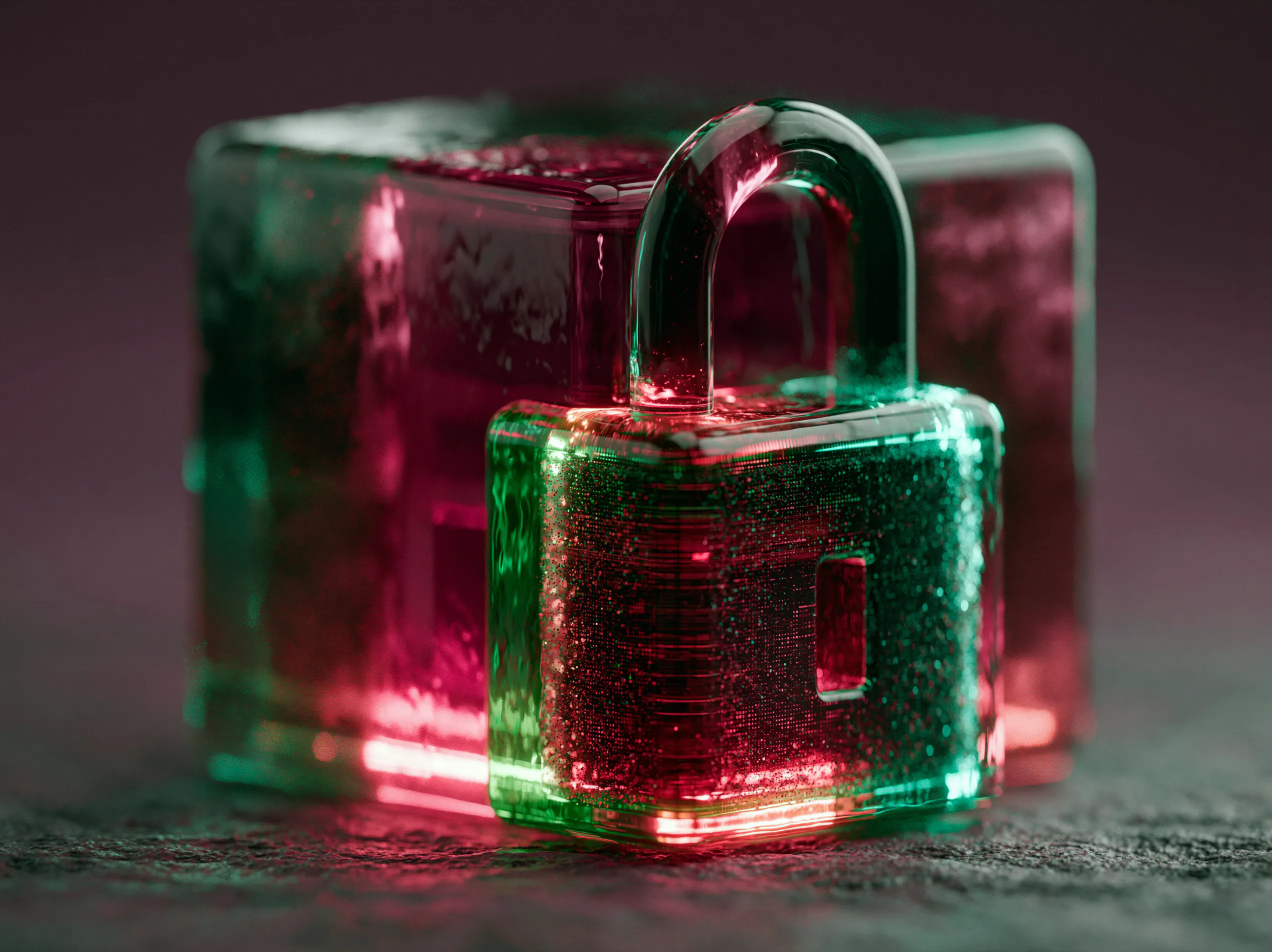
SSL (Secure Sockets Layer) is the protocol that encrypts the connection between a user's browser and your site's server. You can spot it by the small padlock icon next to your address bar and by https replacing http. Without SSL, anything a visitor enters on your site, from passwords to card numbers, travels across the network in plain, interceptable text.
What does SSL actually do?
When a site has an SSL certificate, all data exchanged between the user and the server is encrypted, so even if someone intercepts the network traffic, they cannot read the actual content. This matters enormously for login forms, online payments, and any submission of personal data.
Why does missing SSL destroy user trust?
Modern browsers like Chrome flag sites without SSL with a "Not Secure" warning. Seeing that label sends most visitors running, even if your site poses no real risk at all.
How does SSL affect SEO?
Google has officially confirmed for years that HTTPS is a ranking signal. Sites without SSL lose out on rankings, and their click-through rate and user retention (which also affect SEO) drop as well. For a broader look at how infrastructure shapes your SEO, read how hosting affects speed and SEO.
Types of SSL certificates
| Type | Best for |
|---|---|
| DV (Domain Validation) | Most general and corporate sites |
| Wildcard | Sites with multiple subdomains |
| OV (Organization Validation) | Organizations that need formal identity verification |
Free or paid SSL?
Free certificates like Let's Encrypt offer the same level of encryption as paid ones and are more than enough for most sites. Paid certificates (OV/EV) are generally only worthwhile for organizations that need broader, formal identity verification.
Bottom line
Every site, even a simple blog, needs SSL, both for user trust and for SEO. The good news is that every RGB hosting plan includes free SSL, and for more specific needs like Wildcard or OV certificates, you can also purchase an SSL certificate separately.
Measured demand for this topic in the United States
SSL is 673,000 searches a month at a difficulty of 100 in the United States and 1,600 searches at a difficulty of 18 in Turkey. That is the widest difficulty gap in this dataset. A market four hundred times smaller can still be the one worth writing for.
| Query | Searches a month | Cost per click | Difficulty | Intent |
|---|---|---|---|---|
| ssl certificate | 673,000 | $5.19 | 100 | Informational |
| free ssl certificate | 1,900 | $5.20 | 67 | Informational |
| buy ssl certificate | 1,600 | $8.28 | 83 | Informational + Transactional |
| wildcard ssl | 1,000 | $5.53 | 44 | Commercial |
| ssl certificate price | 590 | $3.84 | 79 | Commercial |
Source: Semrush, US database, pulled 27 August 2026. Volumes age; treat anything older than a quarter as a direction, not a number.



Comments & Questions
Have a question about this article? Ask, we'll answer.
No comments yet; be the first.